Barite, a naturally occurring barium sulfate mineral, is widely used in oil and gas drilling as a weighting agent, as well as in paints, plastics, and pharmaceuticals. Achieving a fine grind of 325 mesh (44 microns) is critical for many of these applications, as it ensures optimal density, flowability, and reactivity. At Liming Heavy Industry Co., Ltd., we have dedicated over 30 years to perfecting grinding technology, and our 325 mesh barite grinding mill solutions are designed to deliver consistent, high-output performance with energy efficiency and environmental compliance. Whether you are processing barite for the petroleum industry or for industrial fillers, our portfolio—including the LM Vertical Roller Mill, Raymond Mill, MTW European Type Trapezium Mill, and MW Micro Powder Mill—offers tailored options to meet your specific capacity and fineness requirements. This article provides an in-depth look at how our grinding mills achieve the 325 mesh standard, backed by decades of engineering expertise and a commitment to innovation.
Why 325 Mesh Matters for Barite Grinding
Barite's value in drilling fluids comes from its specific gravity (4.2–4.5 g/cm³), which helps control downhole pressure. The American Petroleum Institute (API) specifies that barite for drilling must have at least 97% passing 75 microns (200 mesh) and 95% passing 45 microns (325 mesh). Achieving this fineness requires robust milling equipment that can handle barite's hardness (3–3.5 Mohs) and abrasiveness without excessive wear. Our mills are engineered to meet these exacting standards while maintaining throughputs from 1 to 400 tons per hour, depending on the model selected.
Our Core Grinding Mill Technologies for Barite (325 Mesh)
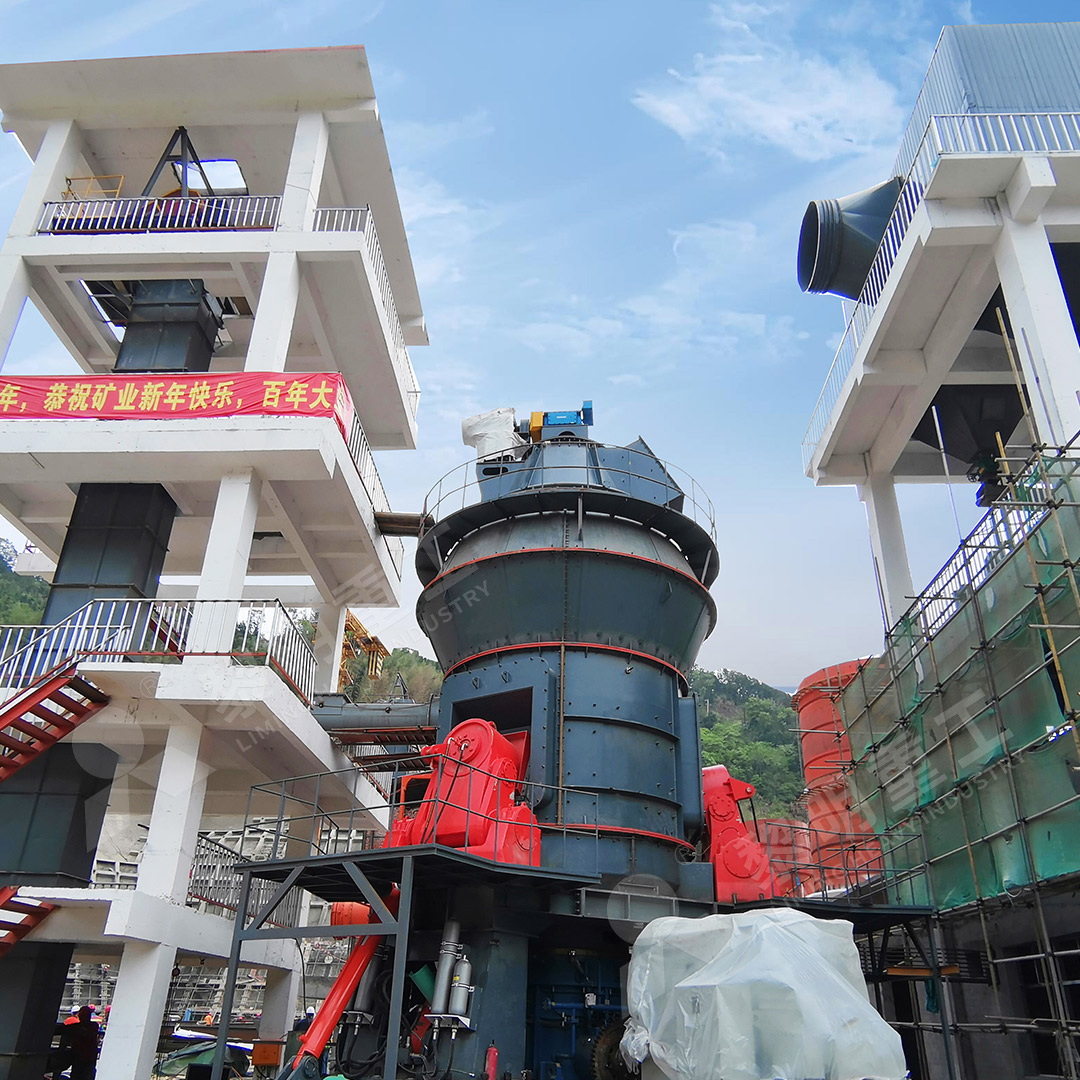
1. LM Vertical Roller Mill — High-Capacity Barite Processing
For large-scale barite grinding operations, the LM Vertical Roller Mill is unmatched. It integrates drying, grinding, powder selection, and conveying in a single unit, with a capacity range of 10–400 T/H and input sizes up to 55 mm. The mill uses a hydraulic system to apply pressure to the grinding rollers, which crush and grind barite against a rotating grinding table. The integral classifier ensures that only particles meeting the 325 mesh requirement are allowed to pass, while oversize material is returned for further grinding. This design reduces energy consumption by up to 30% compared to traditional ball mills and eliminates the need for separate drying equipment when processing moist barite.
Key Advantages:
- Low energy consumption and high drying capacity
- Compact footprint and easy maintenance
- Automatic control system for consistent product quality
- Suitable for non-metallic minerals, coal, and slag
2. MTW European Type Trapezium Mill — Precision and Productivity
The MTW European Type Trapezium Mill is the upgrade of traditional Raymond and pendulum mills, featuring patented technologies for enhanced stability and productivity. With a capacity of 3–55 TPH and input sizes of 30–50 mm, it is ideal for medium-to-large barite grinding plants. The mill's bevel gear transmission, curved duct design, and multi-cylinder hydraulic system deliver a finer and more uniform product. For barite, the MTW mill can consistently produce 98% passing 325 mesh, meeting even the strictest API standards. The closed-loop airflow system, combined with a pulse dust collector, ensures minimal emissions—critical for operations in environmentally regulated regions.
Working Principle Simplified: Barite is crushed by a jaw crusher, then fed via a variable-frequency belt feeder into the mill. As the material is ground between rollers and the ring, the air classifier separates fine particles; coarse material falls back for regrinding. The entire system is sealed and equipped with dust collection, complying with modern environmental norms.
3. Raymond Mill — Classic Reliability for 325 Mesh Barite
Our Raymond Mill remains a workhorse for small-to-medium barite producers. With a capacity of 1.2–4.5 T/H and an input size of 15–25 mm, it is cost-effective and easy to operate. The mill's output fineness ranges from 613 μm to 44 μm (25–325 mesh), adjustable via the classifier speed. For barite, it is particularly suited for plants requiring 325 mesh at lower throughputs. The Raymond mill is built with a robust cast-iron base and wear-resistant grinding rollers, ensuring long service life even with abrasive barite. It also supports a variety of auxiliary equipment, including bucket elevators and screw conveyors, for complete grinding lines.
4. MW Micro Powder Mill — Ultra-Fine Barite Grinding
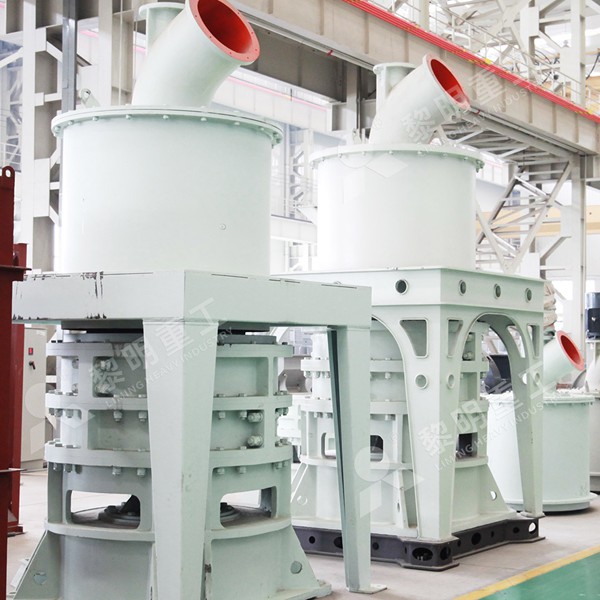
When the requirement goes beyond 325 mesh—for example, 500 to 3250 mesh for high-end fillers—the MW Micro Powder Mill comes into play. It is capable of producing d97 ≤ 5 μm, with fineness adjustable between 325 and 3250 mesh. For barite, this mill is ideal for producers targeting the paint, plastic, and rubber industries, where ultra-fine particle size enhances opacity and reinforcement. The MW mill uses a multi-roller grinding mechanism and a high-pressure spring system, achieving capacities of 0.5–25 T/H from input sizes of 10–20 mm. Its pulse precipitator ensures that the process remains environmentally friendly.
Selecting the Right Mill for Your Barite Operation
Choosing the correct grinding mill depends on several factors: required capacity, initial moisture content, feed size, and desired fineness. For example, if you need a high-volume (above 50 TPH) 325 mesh barite product, the LM Vertical Roller Mill is your best bet. If you have a medium-scale plant with strict environmental requirements, the MTW mill offers a balance of productivity and green compliance. For smaller operations or those seeking the lowest capital investment, the Raymond Mill remains a proven choice. And for those exploring ultra-fine markets, the MW Micro Powder Mill opens new opportunities.
At Liming Heavy Industry, we do not just sell machines—we provide complete solutions, including crushers, feeders, conveyors, and dust collectors. Our team of engineers can design a custom grinding line tailored to your barite's specific characteristics, ensuring maximum efficiency and return on investment. All our equipment is manufactured in our state-of-the-art facilities in Zhengzhou and Shangjie, covering over 147,000 m², with strict quality control at every stage.
Technical Support and After-Sales Service
Our commitment goes beyond delivery. Liming Heavy Industry provides on-site installation, commissioning, and training for your operators. We stock spare parts for all major components, including grinding rollers, rings, classifiers, and bearings, minimizing downtime. Our R&D team continuously innovates to improve mill performance, drawing on advanced Swedish grinding technology for our micro powder mills. With over 30 years in the industry, we have built a global network of service centers to support clients across 160 countries.
Conclusion: Partner with Liming for Your Barite Grinding Needs
Whether you require 325 mesh barite for drilling fluids or finer grades for industrial applications, Liming Heavy Industry has the technology and experience to deliver. Our mills are designed to optimize power consumption, extend wear life, and produce consistent, high-quality output. As a leader in crushing and grinding since 1987, we understand the demands of modern mineral processing. Contact us today to discuss your project, and let our specialists recommend the ideal 325 mesh barite grinding mill for your operation.
Frequently Asked Questions (FAQ)
- Q: Can the Raymond Mill consistently produce 325 mesh barite?
A: Yes, our Raymond Mill is capable of achieving 325 mesh (44 microns) by adjusting the classifier speed and feed rate. However, for higher throughput and precision, we recommend the MTW or LM series mills for production above 5 TPH. - Q: What is the typical power consumption for grinding barite to 325 mesh?
A: Power consumption varies by mill type and capacity. For example, the LM Vertical Roller Mill uses 30–40% less energy per ton than a ball mill. Our engineers can provide specific energy estimates based on your barite feed size and moisture content during consultation. - Q: How do you handle barite with high moisture content?
A: The LM Vertical Roller Mill integrates drying, so it can handle barite with up to 15% moisture. For other mills like the MTW or Raymond, we pre-dry the material or add a hot air system to the grinding circuit to ensure efficient grinding. - Q: What after-sales support do you provide for barite grinding mills?
A: We offer full installation supervision, operator training, and a one-year warranty on major components. Our global service network ensures that spare parts are available within 48 hours for most locations. We also provide remote diagnostics via our automated control systems. - Q: Can the MW Micro Powder Mill produce 325 mesh barite for drilling fluid use?
A: Absolutely. While the MW mill is designed for ultra-fine grinding, its fineness is adjustable from 325 to 3250 mesh. For standard 325 mesh drilling-grade barite, it operates efficiently and can also be used to make finer grades for specialty applications.


