Published: October 26, 2023
For producers of premium, low-iron kaolin, achieving consistent ultra-fine particle size and preserving brilliant whiteness are paramount. Traditional grinding methods often introduce contamination or fail to deliver the precise fineness required for high-value applications in paper, ceramics, and coatings. LIMING HEAVY INDUSTRY addresses this critical challenge with its advanced Raymond Mill technology, specifically engineered for the efficient, clean, and reliable processing of sensitive non-metallic minerals like kaolin. By integrating precision grinding with a closed-circuit, negative pressure system, our equipment minimizes iron contamination risk, ensures superior product uniformity, and enhances overall operational efficiency, making it an ideal solution for upgrading kaolin production lines.
Since its establishment in 1987, LIMING HEAVY INDUSTRY has dedicated itself to the research, manufacturing, and sales of large and medium-sized crushing and grinding equipment. With a sprawling 80,000 m² headquarters in the HI-TECH Industry Development Zone of Zhengzhou and an additional 67,000 m² workshop, the company's growth over three decades is built on a foundation of modern scientific management, precision manufacturing, and continuous innovation. This commitment to technological advancement positions LIMING as a leader in developing solutions for complex mineral processing tasks, such as refining low-iron kaolin.
The core of our approach is a relentless focus on scientific research and development, aimed squarely at enhancing product competitiveness. We pursue "scientific research tackling key problems" and foster a "production, learning, and research" environment. Leveraging a mature R&D team, we continuously innovate and aim at the industry's technological frontier. This philosophy is embodied in our Raymond Mill series, where traditional design is re-engineered for modern demands.
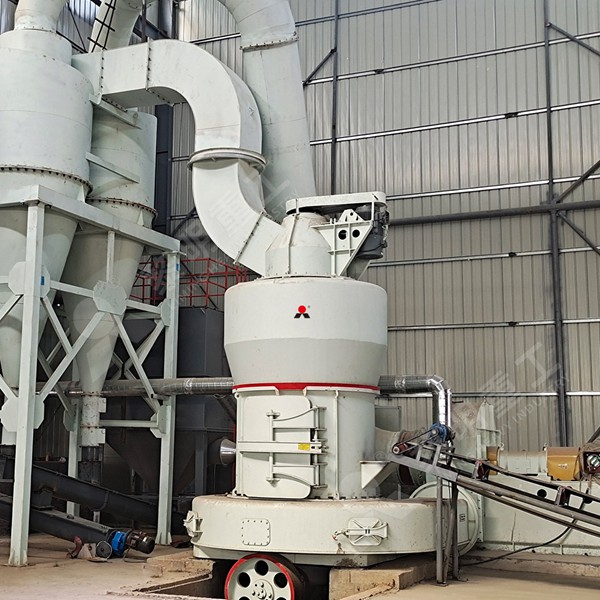
Our Raymond Mill is exceptionally suited for processing non-flammable, non-explosive materials with Mohs hardness under 7 and humidity less than 6%, making it perfect for kaolin. For low-iron content kaolin, the integrity of the grinding process is critical. The mill's design minimizes metal-to-metal contact in key grinding zones, and the use of high-wear-resistant materials for grinding rings and rollers reduces the risk of metallic contamination that could compromise the kaolin's color and chemical properties. The fineness of the output can be precisely adjusted between 613μm and 44μm (approximately 30 to 400 mesh), allowing producers to tailor the product to specific market requirements, whether for filler-grade or coating-grade kaolin.
The operational principle ensures both efficiency and purity. The system is a closed-circuit airflow design. Material is fed into the grinding chamber where it is ground between the rollers and the ring. The powdered material is then carried by the airflow to the classifier. Oversized particles are separated and returned for regrinding, while qualified fine powder passes through with the airflow to the cyclone collector for final product separation. This closed-loop, negative pressure system is crucial: it prevents dust leakage, maintaining a clean plant environment, and the integrated pulse dust collector ensures emissions meet stringent environmental standards. The entire process is automated via an electric control system, ensuring stable operation and consistent product quality with minimal manual intervention.
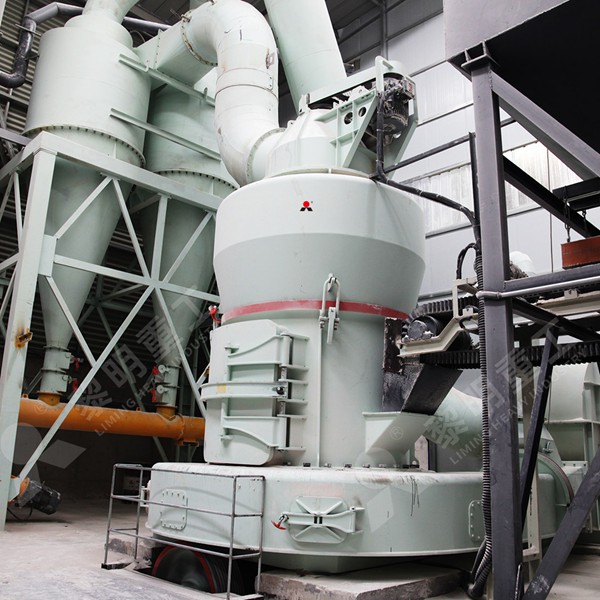
Beyond the standard Raymond Mill, our technological portfolio offers complementary solutions for varying project scales and fineness goals. The MTW European Type Grinding Mill, an upgrade of traditional Raymond technology, offers larger capacity and higher efficiency for large-scale kaolin powder production. For producers targeting the ultra-fine, high-value-added market, our MW Micro Powder Mill is unparalleled. Capable of achieving a fineness up to d97 ≤ 5μm (3250 mesh), it utilizes advanced grinding technology ideal for producing superfine kaolin without the risk of contamination, thanks to its sophisticated material conveying and separation design.
Choosing the right equipment is about more than just specifications; it's about partnership with an engineer. We provide comprehensive support, from initial material testing and process design to installation, commissioning, and after-sales service. Our goal is to ensure that every LIMING Raymond grinding system delivers optimal performance, maximizing the value of our clients' low-iron kaolin resources.
Frequently Asked Questions (FAQ)
Q1: How does your Raymond Mill specifically prevent iron contamination when grinding sensitive materials like kaolin?
A: Our mills are designed with minimized wear-prone contact points and utilize high-chromium or ceramic-lined components in critical areas. The closed-circuit, negative pressure system also prevents external contaminants from entering, ensuring the final product's purity.
Q2: What is the typical energy consumption of your grinding systems for kaolin processing?
A: Our Raymond and MTW mills are designed with energy efficiency as a core principle. The specific consumption varies with desired fineness and feed size, but their optimized grinding mechanics and efficient classifier systems generally result in lower power consumption per ton of product compared to traditional ball mills.
Q3: Can the system handle kaolin with varying moisture content?
A: The standard Raymond Mill is suitable for materials with humidity less than 6%. For raw kaolin with higher moisture, we can integrate a drying system, such as connecting a dryer before the mill or offering our LM Vertical Roller Mill, which combines drying and grinding in one unit.
Q4: What level of automation do your grinding lines offer?
A: Our systems feature centralized electrical control with PLC options. This allows for automatic start/stop sequence control, remote monitoring of key parameters like temperature and pressure, and adjustment of fineness, significantly reducing labor intensity and improving consistency.
Q5: Do you provide support for plant layout and auxiliary equipment selection?
A: Yes, absolutely. We offer turnkey project support. Our engineering team can design the complete layout, including crushers, feeders, conveyors, dust collectors, and packaging system recommendations to form a complete, efficient production line tailored to your site conditions.


