Published: October 26, 2023
For entrepreneurs and small-to-medium enterprises venturing into the lucrative heavy calcium carbonate powder market, selecting the right milling equipment is a pivotal decision that balances initial investment with long-term operational efficiency. This article explores how the classic Raymond Mill technology, particularly as engineered and refined by LIMING HEAVY INDUSTRY, presents a compelling, cost-effective solution for small-scale production. We will delve into its operational principles, suitability for calcium carbonate processing, and the strategic advantages it offers in terms of footprint, energy consumption, and ease of maintenance, making it an ideal cornerstone for building a competitive powder business.
The journey of a small-scale heavy calcium powder business begins with a reliable and economically viable grinding heart. While numerous advanced milling systems exist, the Raymond Mill stands out for its proven track record, simplicity, and remarkably low total cost of ownership. At LIMING HEAVY INDUSTRY, with over three decades of dedication to manufacturing crushing and grinding equipment, the Raymond Mill embodies our philosophy of "precision manufacturing and pioneering innovation" applied to foundational technology. Our continuous R&D efforts have optimized this traditional design, enhancing its stability and productivity while retaining its inherent cost benefits.
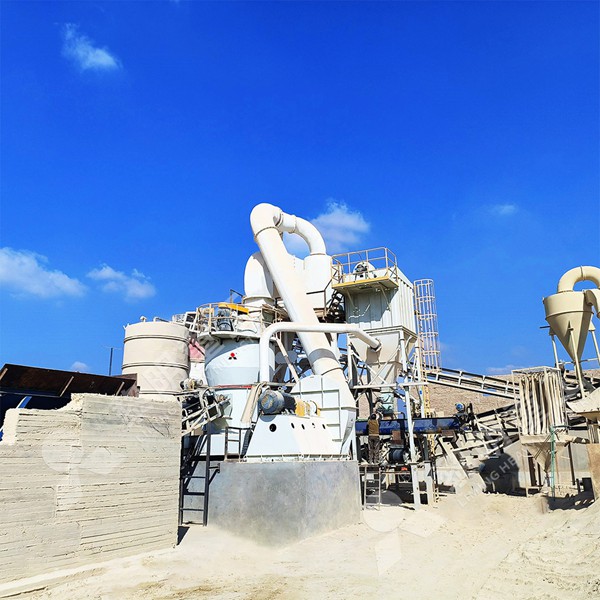
Heavy calcium carbonate, a key material in plastics, paints, sealants, and paper, requires consistent fineness and quality. The LIMING Raymond Mill is expertly suited for this task. It is designed to process non-flammable, non-explosive materials with Mohs hardness under 7 and humidity less than 6%, parameters that perfectly encompass typical calcium carbonate feed. The mill achieves an adjustable fineness between 44μm (325 mesh) and 613μm, covering the most common specifications demanded by downstream industries. For a small business, this versatility means the ability to service multiple market segments with a single, robust machine.
Cost-effectiveness extends far beyond the initial purchase price. It encompasses energy consumption, maintenance downtime, spare part longevity, and operational simplicity. Our Raymond Mill's mechanical structure is straightforward, with a grinding system comprising a central shaft, rollers, and a grinding ring. This simplicity translates to easier operator training, less frequent breakdowns, and more affordable, readily available replacement parts. The integrated system—including the grinding mill, classifier, blower, and piping—forms a closed-circuit loop that promotes efficient recycling of air and minimizes dust emission, contributing to a cleaner workshop and reducing the burden on auxiliary dust collection equipment.
Furthermore, the system's airflow design is inherently energy-efficient. The ground powder is carried by the airflow to the classifier for separation; oversized particles fall back for regrinding, while qualified powder is collected. This pneumatic conveying and recycling system reduces mechanical conveying needs. When combined with a pulse dust collector (often offered as part of a complete solution), the operation meets environmental standards without complex, expensive add-ons. For a business mindful of both overheads and regulatory compliance, this integrated approach is invaluable.
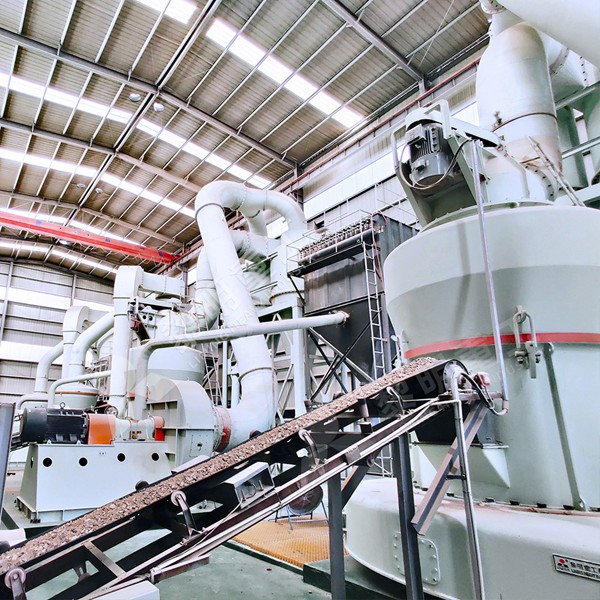
Scalability is another crucial consideration. As your heavy calcium powder business grows, so might your production needs. Starting with a Raymond Mill provides a stable foundation. Models like ours offer capacities ranging from approximately 1.2 to 4.5 tons per hour, allowing you to choose a unit that matches your current output goals without excessive capital outlay. Its relatively small footprint, a result of LIMING HEAVY INDUSTRY's compact design engineering, saves valuable floor space in smaller facilities. This modular and space-efficient design allows for future expansion or the integration of additional lines with minimal disruption.
In conclusion, for the small-scale entrepreneur targeting the heavy calcium powder market, the Raymond Mill from LIMING HEAVY INDUSTRY represents a strategic, cost-effective entry point. It leverages time-tested principles enhanced by modern manufacturing and a commitment to scientific R&D. It delivers the necessary product quality, operational reliability, and environmental compliance while keeping capital and operational expenses in check. By choosing this proven technology, you invest not just in a machine, but in a solid platform for sustainable business growth, backed by a company with a 30-year legacy in equipment manufacturing.
Frequently Asked Questions (FAQ)
1. What is the typical particle size range achievable for heavy calcium carbonate with your Raymond Mill?
Our Raymond Mill can produce heavy calcium carbonate powder with a fineness adjustable between 44 microns (approx. 325 mesh) and 613 microns. This range effectively covers many industrial applications in plastics, paints, and paper.
2. How does the Raymond Mill compare to a Ball Mill for a small-scale calcium carbonate operation?
While Ball Mills are versatile, Raymond Mills are generally more energy-efficient for direct dry grinding to medium fineness. They offer a more compact design, faster start-up, and easier maintenance, making them often more cost-effective for dedicated calcium carbonate production at a smaller scale.
3. Is the system environmentally friendly, and how is dust controlled?
Yes. The grinding system operates as a negative pressure closed circuit. Paired with an optional high-efficiency pulse dust collector, it effectively contains powder, ensuring workshop cleanliness and compliance with standard environmental protection regulations.
4. What kind of after-sales support and technical training do you provide?
LIMING HEAVY INDUSTRY provides comprehensive support, including installation guidance, commissioning assistance, and operational training. We also supply detailed manuals and offer remote and on-site technical support to ensure smooth operation.
5. Can the mill handle slightly moist feed material?
The standard Raymond Mill is designed for materials with humidity less than 6%. For feed with higher moisture, integrated drying solutions using hot air from a furnace can be discussed as part of a customized system configuration to ensure stable grinding performance.


